| Status: | Temporarily inactive |
| When: | Monthly on Fridays Third Friday |
Convenor: Vacant
The Geology group is currently Inactive. If any member is willing to act as convenor for this group then please contact Steve Rozario, Group Liaison, tyneu3agroupliaison@gmail.com .
There are a number of members who would welcome the restarting of this group.
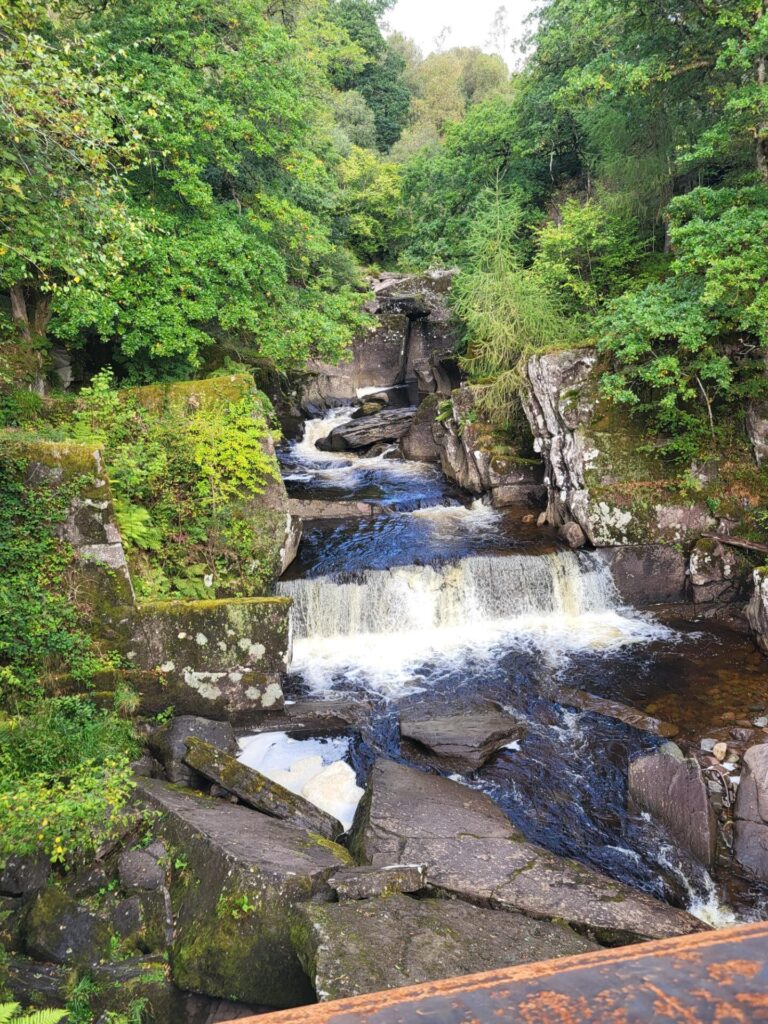
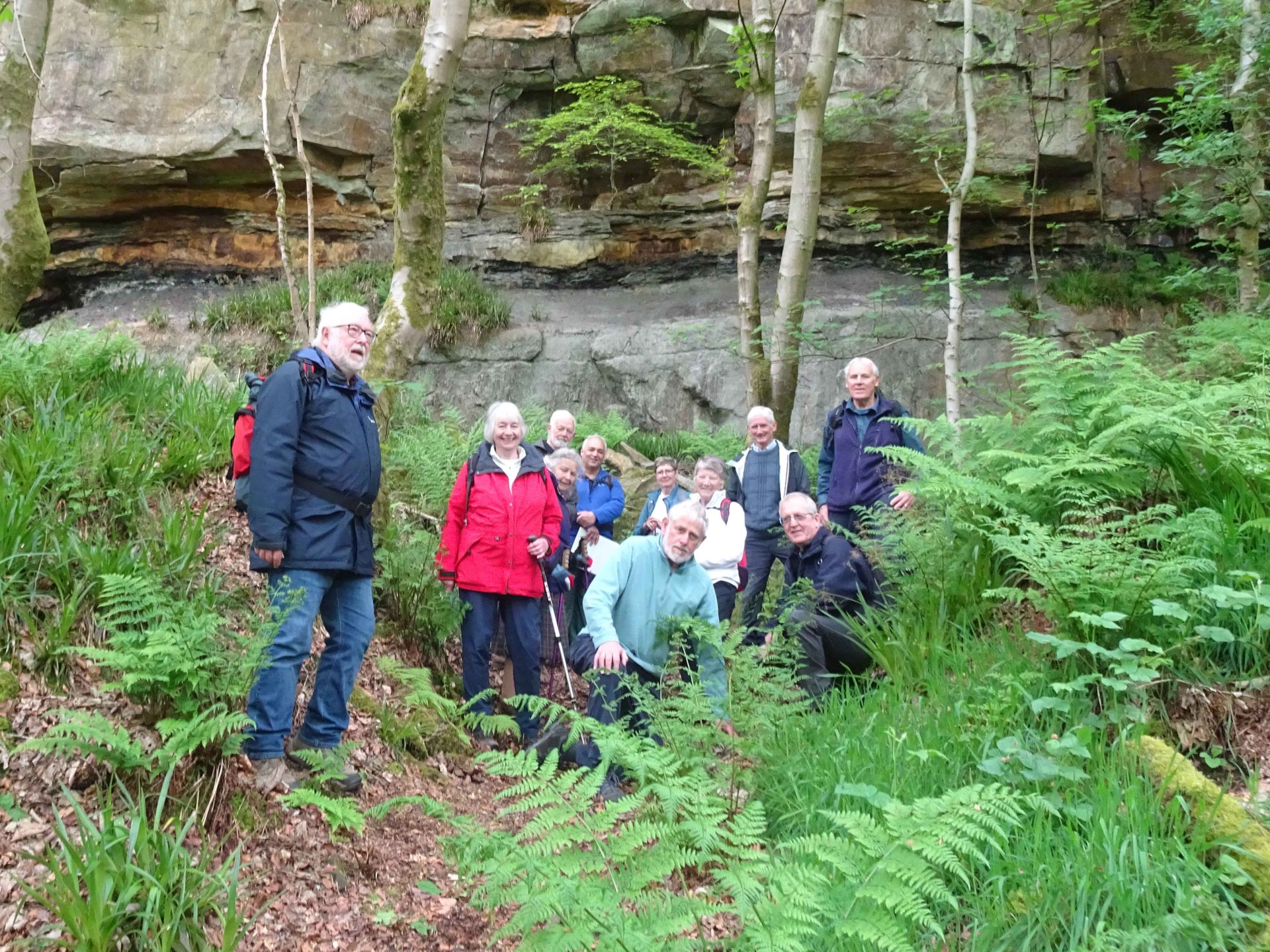
Allt a’ Choire Bhric flowing through faulted and folded Old Red Sandstone formations at Bracklinn Falls near Callander
Winter Indoor Meetings
No program in place.
Indoor Meetings 2025-2026
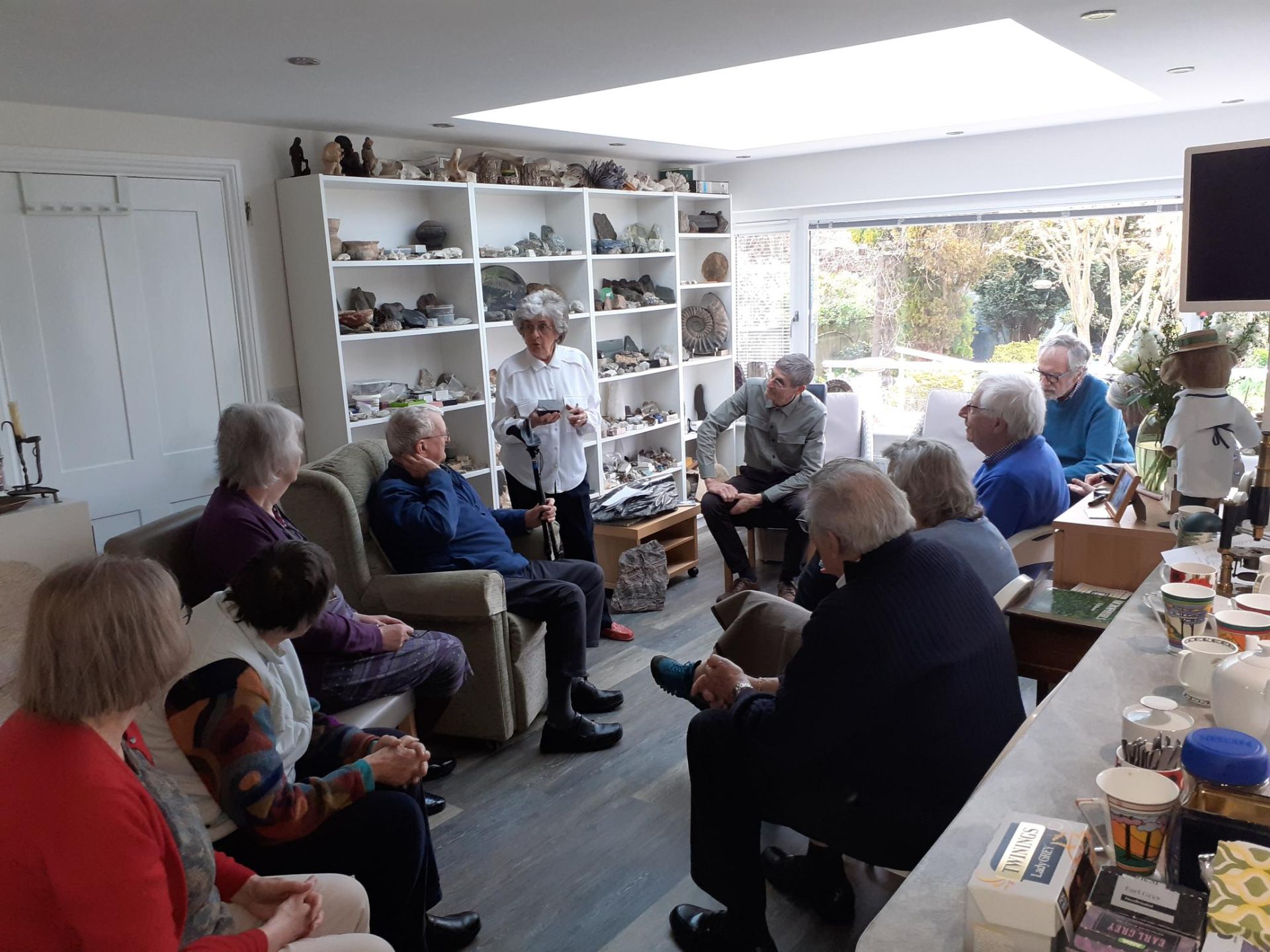
- October 17th – Groundwater in the geological context – an overview and, The Geology of Newfoundland Part 2
- November 21st – Measuring the Movement (Tracking the movements of Tectonic Plates), Geology En Route - a short presentation and, The Geology of Newfoundland Part 2 - completed from earlier talks
- December 19th - Christmas Lunch and Visiting Speaker presentation: An overview of the Falkland Islands
- January 16th - What Professional Geologist do (IIb) and, Fossils in Geology – Molluscs
- February 20th Mass Extinctions –Why a Reassessment and, Fossils in Geology – The Evolution of Vertebrates and Plants
- March 20th - (Member’s short talk – to be confirmed) and, Groundwater – finding, exploiting, conserving and protecting groundwater resources.
Summer Outdoor meetings / Field Trips
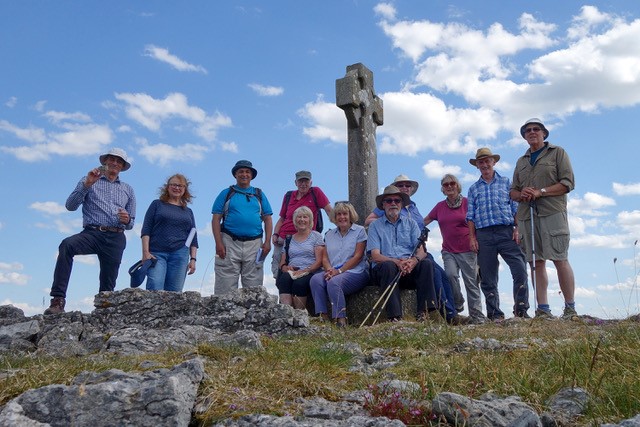
Summer season runs from April to September when we make a variety of outdoor visits/field trips to look at geology. These are usually also on the third Friday of each month, although the leader for each trip is free to choose a day based on tide conditions, weather etc. Field trips are usually a full day, with a pub/packed lunch. Accessibility descriptions are included in the field trip notes. We generally walk no further than a mile each way from the cars to the geology locations and try to keep to paths, beaches and reasonable underfoot conditions (no mountaineering). Occasionally we will do a longer walk of up to 4 miles. We occasionally organise two day trips with an overnight stay to allow us to explore the geology of areas further from Hexham. These are very sociable events where we aim to stay together and have dinner in a reasonably priced hotel close to the location of the geology sites.
Summer Program 2026
No program in place for Summer 2026.
Review of outdoor meetings and field trips Summer 2025
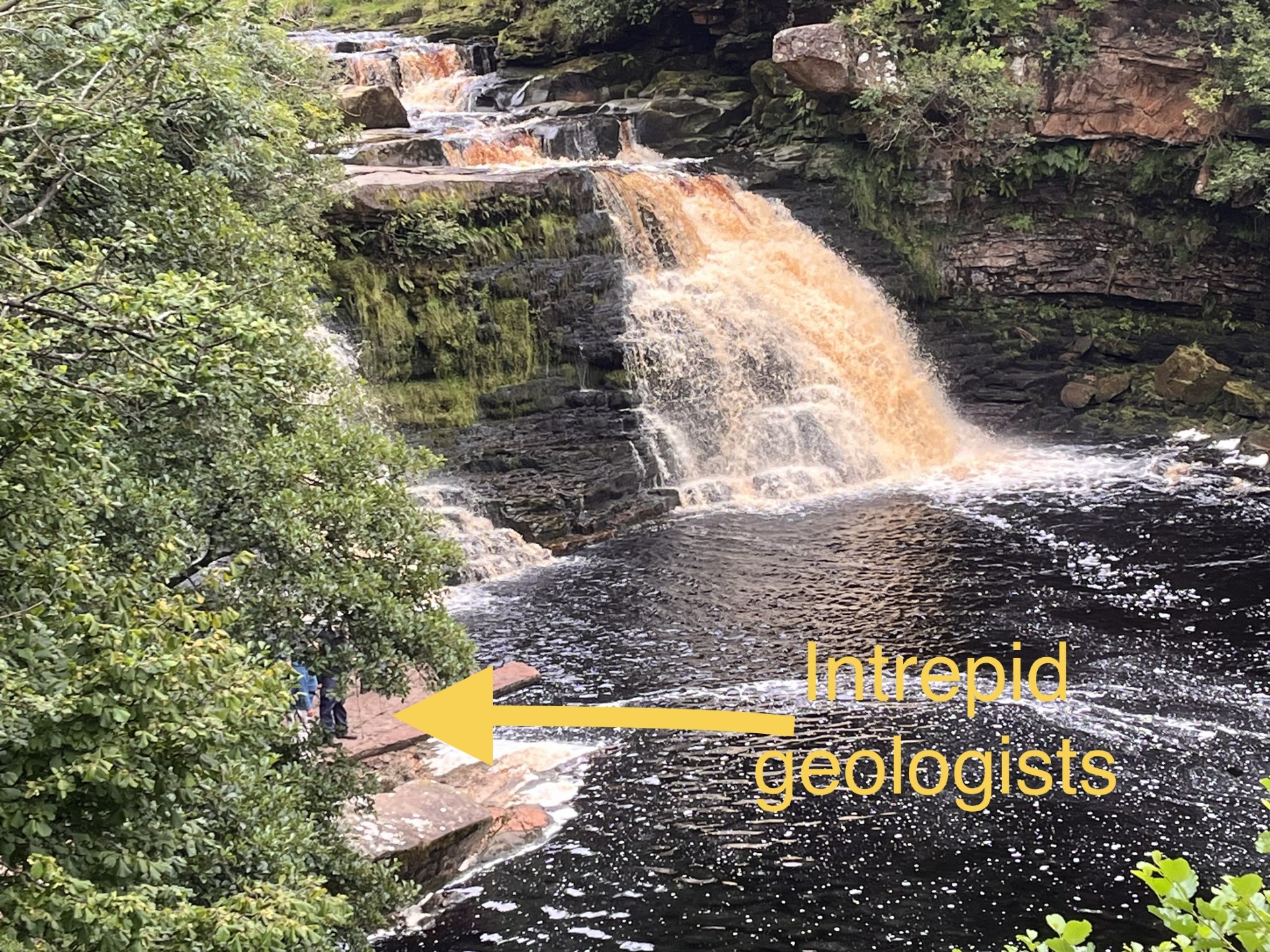
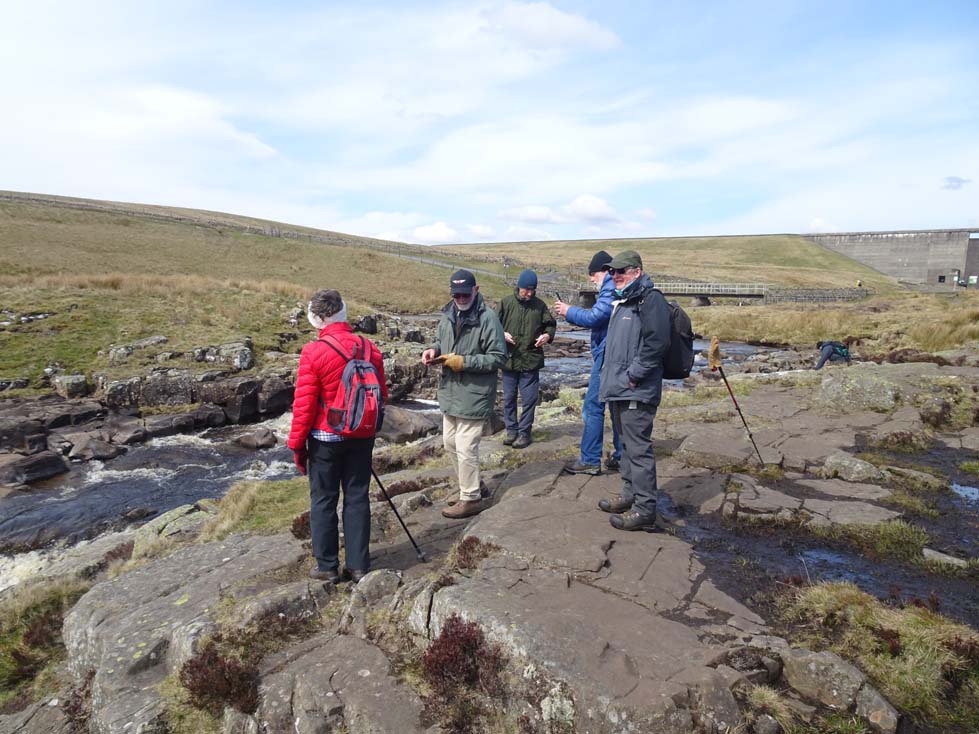
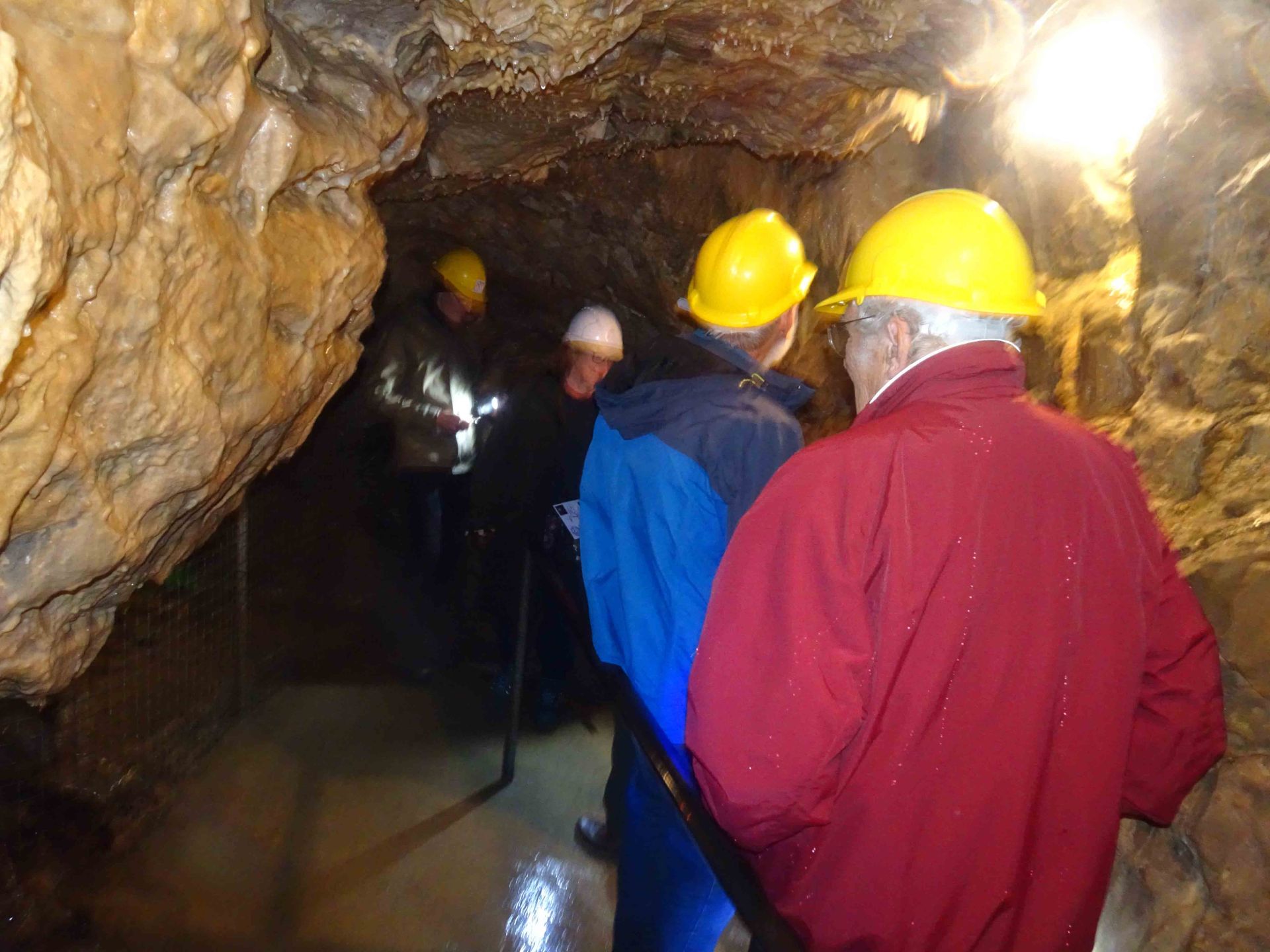
In May the Geology group were invited to join the Northern Rocks Group for their visit to the lead and zinc mine at Nenthead. This was a fascinating excursion looking at both the above ground geology of Carboniferous rocks incised by the Nenthead River close to the mine, and a visit underground to the old mine workings. The trip was led by the volunteer geologists at the Nenthead Mines Conservation Society who were able to give very detailed information about the geology and industrial archaeolgy relating to the mining complex.
In July the group visited several geological sites in the Solway Basin area led by one of our own members. Meeting up in the small town of Langholm, sitting on the river Esk in the Scottish Southern Uplands, we travelled in a southerly direction - generally following the geological succession. Starting just south of Langholm we looked at exposures of the Silurian greywacke basement, presumed to extend under the Northumberland-Solway Basin, the basin margin fault and early Carboniferous Birrenswark lavas from the extension-rifting phase – the birth of the basin. Moving on to the Penton Bridge area we looked at Carboniferous Yoredale cycles, with fossiliferous limestones, mudstones, siltstones, sandstones and coals. We will also explored the basin inversion fold and faults visible here with the river cutting through a clear anticlinal structure. At a site on the Taras Water burn tributary of the Esk, we were able to see a very clear exposure of banded lower-Carboniferous sediments that would be hidden by several kilometres of rock underneath the Northumberland Trench deposits back in our home county of Northumberland. Finally further down the Esk, near the town of Canonbie, we were able to see, not just the beginning of red-orange PermoTriassic strata that is much in evidence further south and west in the basin, but earlier Carboniferous ‘red beds’ of sandstone.
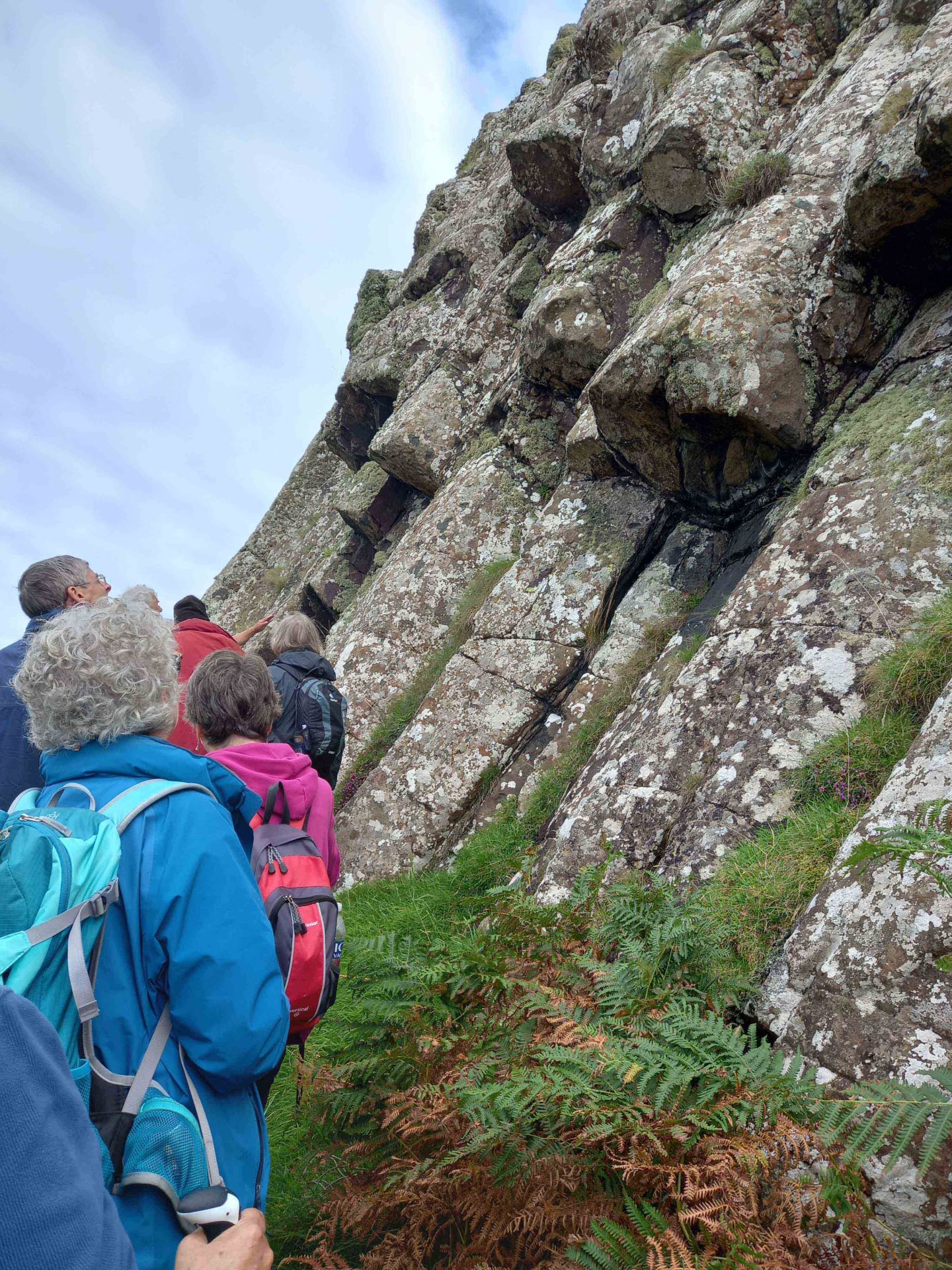
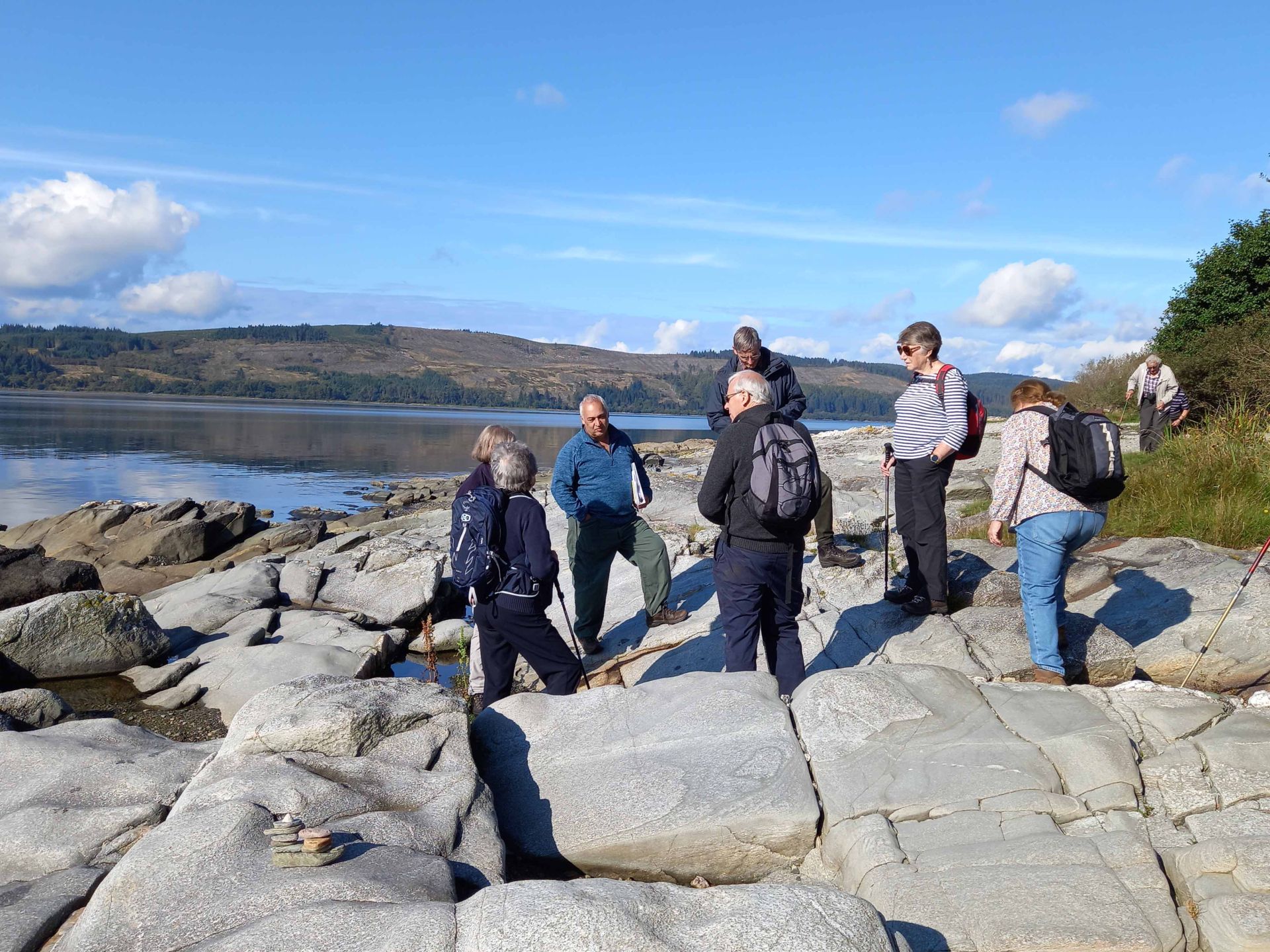
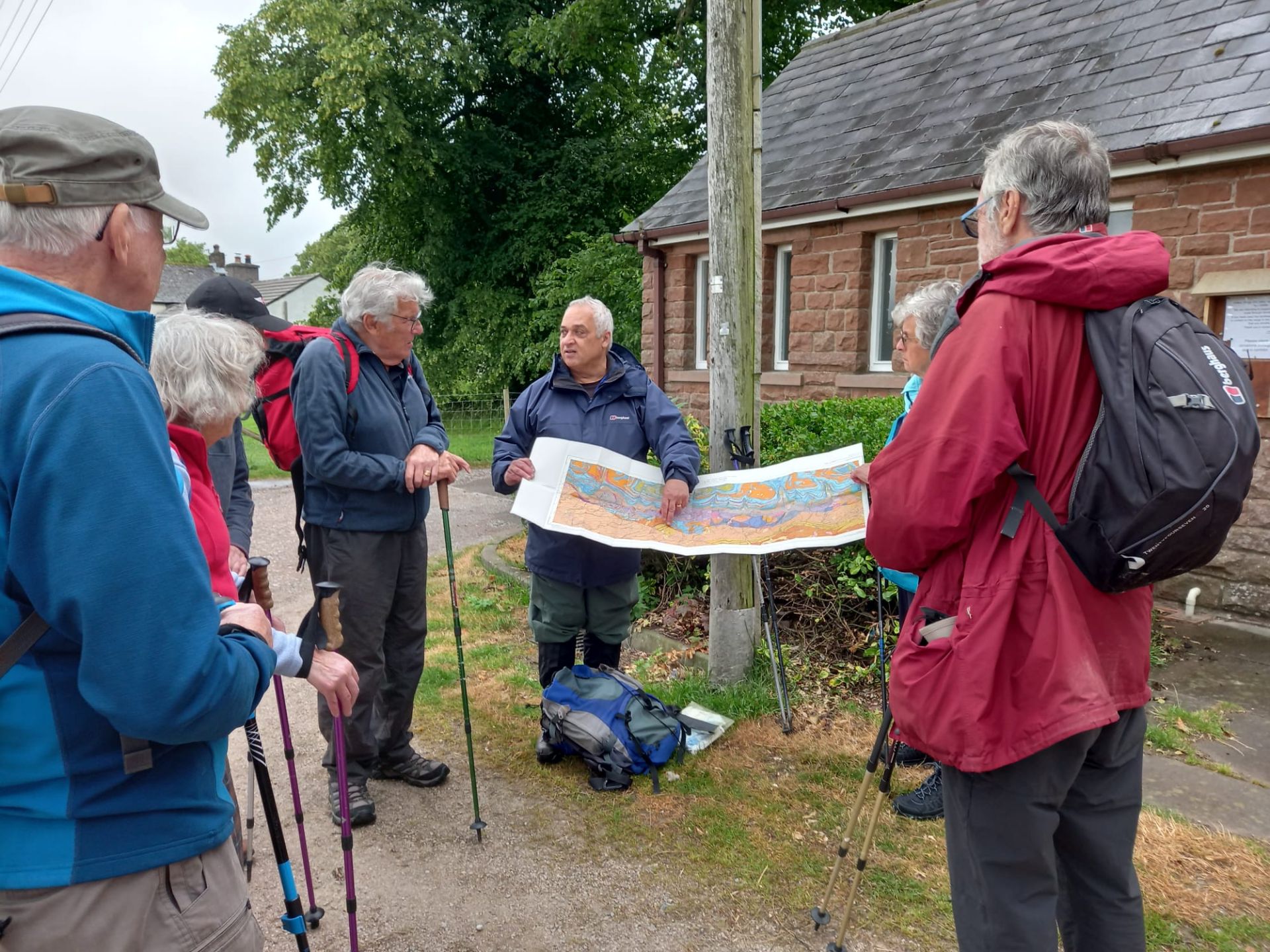
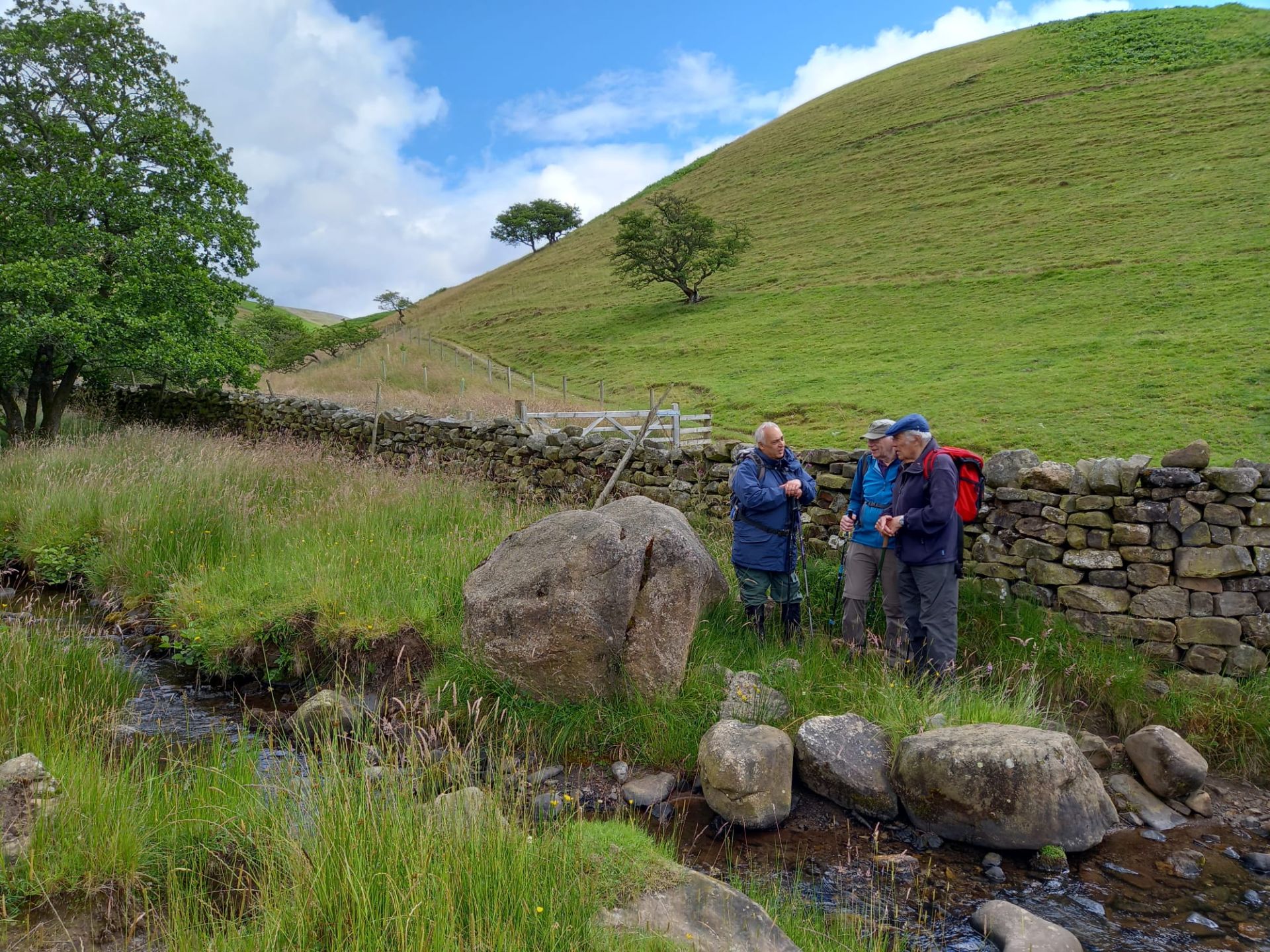
The group’s final field trip of the 2025 summer season was a two day residential excursion to the Trossachs area based in the town of Callander, where we stayed in a comfortable hotel for two nights. During this trip, the group visited three principal geological sites that were selected to give a better understanding of the Highland Boundary Fault structure and associated rock types. The first site visited was Balmaha, located on the South East bank of Loch Lomond. Here the line of the Fault, which runs continuously from the North East of Scotland coast near Stonehaven, across central Scotland just north of the Highland Line of hills and disappears under the Loch. It continues on the other side of the Loch to the south west towards Arran. Walking along the shore of the Loch, northwards out of Balmaha, the variety and complexity of some of the rocks around the Fault was revealed. The second main site visited was the abandoned Limecraig Quarry to the north of the town of Aberfoyle. This site reveals strata that provide fine examples of the Border Fault Complex – a unique and varied set of rocks that can help to provide an understanding of how the Fault started and developed, back in the earl Palaeozoic geological era. Finally the group walked the Bracklinn Falls circuit north of the town of Callander. Here the rocks are entirely in the Old Red Sandstone group and are south of the Boundary Fault line but they demonstrate the extreme faulting and folding that took place in these rocks, derived from the Border Fault movements. The Allt á Choire Bhric stream (also known as Keltie Water) flows through the Bracklin Falls steep and rocky gorge.
Click this link for a BRIEF REVIEW OF 2023/24:
(October 2023 – September 2024)
Other Groups
Groups listed alphabetically
-
Art Appreciation 1
Status: Active
Fortnightly on Monday mornings
10-12 -
Art Appreciation 2
Status: Active
Monthly on Thursday mornings
Last Thursday, 10-12 -
Art Appreciation 3
Status: Waiting list
Monthly on Tuesday afternoons
Forth Tuesday -
Bird Watching
Status: Waiting list
Monthly on Monday mornings
Third Monday at 10.15 a.m. Additional trips in spring. -
Book Group 1
Status: Active
Monthly on Wednesday mornings
Last Wednesday, 10.30 -
Book Group 3
Status: Active
Monthly on Thursday mornings
Second Thursday, 10-30 - 12.00 -
Book Group 4
Status: Waiting list
Monthly on Thursday afternoons 2:00 pm
3rd Thursday, 2.00-3.30 -
Book Group: Page Turners
Status: Active
Monthly on Monday afternoons
Second Monday 1.30 - 3.00 -
Book Group: The Detectives
Status: Waiting list
Monthly on Monday afternoons
Third Monday, 2.30 - 4.00 -
British Sign Language
Status: Active
On Thursday afternoons 2:00 pm-4:00 pm
We meet twice a month on 2nd and 4th Thursday afternoons at the Garden Coffee House Hexham. -
Craft
Status: Active
Fortnightly on Tuesday afternoons
2pm, 2nd and 4th Tuesday -
Cryptic Crosswords
Status: Active
Monthly on Thursday mornings
Second Thursday, 10.30 am -
Cryptic Crosswords 2
Status: Active
Monthly on Tuesday mornings 11:00 am
Second Tuesday, 11am -
Dawdling with Dogs and Without
Status: Active
Monthly on Tuesdays 1:00 pm
3rd Tuesday -
Discovery Award Support Group
Status: Active -
Easy Going French
Status: Waiting list
Weekly on Thursday mornings
10.00 - 11.30am -
Environment Group
Status: Active
Monthly on Tuesday mornings
3rd Tuesday, 10.30 -
España Viva
Status: Active
Monthly on Monday afternoons
First Monday -
Family History
Status: Active
Monthly on Monday mornings
Third Monday, 10.30 -
Family History 2
Status: Active
Monthly on Thursday mornings
10.00 -
French Conversation (Group 2)
Status: Full
Fortnightly on Monday mornings
10.30 -
French For Fluent Speakers
Status: Full
Fortnightly on Monday mornings
10.30 am -
French Intermediate
Status: Full
Weekly on Tuesday mornings 10:00 am-11:30 am -
Garden Visits
Status: Active
Meeting times vary -
Geology
Status: Dormant
Monthly on Fridays
Third Friday -
German Language
Status: Full
Weekly on Tuesday afternoons
2:30 -
German Language 2
Status: Active
Weekly on Wednesday mornings 10:30 am -
Great Whittington and Matfen Friendship Group
Status: Active
Monthly on Tuesday evenings 7:30 pm
First Tuesday, in either Matfen or Great Whittington village hall -
Hadrian's Wall
Status: Active
Monthly on Thursdays
First Thursday -
History
Status: Active
Monthly on Mondays
1st Monday afternoons most frequently except Bank Holidays -
Industrial Archaeology
Status: Active
Monthly on Wednesday afternoons 3:15 pm
Second Wednesday, Dining Room of County Hotel -
Italian Intermediate Conversation
Status: Active
Weekly on Tuesday mornings 10:00 am-11:30 am -
Italian post beginners
Status: Active
Weekly on Tuesday mornings 10:45 am-12:15 pm -
Jazz Appreciation
Status: Active
Monthly on Thursday mornings
Third Thursday at 10.30 -
Landscape
Status: Active
Monthly on Monday afternoons
4th Monday. -
Latin Learners
Status: Active
Fortnightly on Monday afternoons
Monday 2:00 - 3:30 -
Mah-Jong
Status: Closed
Weekly -
Music Appreciation
Status: Active
Monthly on Monday afternoons 2:00 pm-4:00 pm -
Northern Rocks
Status: Active
Monthly on Tuesdays
2nd Tuesday -
Out and About
Status: Active
Varies according to programme, -
Play Reading
Status: Full
Fortnightly on Friday mornings -
Playing Music
Status: Active
Fortnightly on Wednesday afternoons 2:00 pm-4:00 pm
First and third Wednesday of the month -
Poetry 1
Status: Waiting list
Monthly on Thursday afternoons
Second Thursday, 2.00 - 3.30 pm. -
Poetry 2
Status: Active
Monthly on Monday afternoons
3rd Monday 2.00 to 3.30 -
Putting the World to Right 1
Status: Active
Monthly on Wednesday afternoons
2th Wednesday, 1.30 - 3.00 -
Putting the World to Right 2
Status: Active
Monthly on Friday mornings
Fourth Friday 10:30am to 12 noon -
Real Ale Appreciation
Status: Active
Monthly on Thursdays -
Science
Status: Active
Monthly on Monday afternoons
Third Monday, 3 pm -
Scrabble
Status: Active
Fortnightly on Thursday mornings -
Showtime!
Status: Waiting list
Monthly discussion, 4th Tuesday morning from 11.30 am, plus one or two shows each month. -
Space Exploration
Status: Full
On Friday afternoons
2nd Friday, 2.00pm -
Spanish Conversation
Status: Active
Fortnightly on Wednesday mornings -
Tai Chi CH'UAN
Status: Full
Weekly on Thursday mornings
Weekly, Torch Centre, 10.00-11.00 -
Taijiquan
Status: Full
Weekly on Thursday afternoons
Torch Centre -
Topical Discussion Group
Status: Active
Monthly on Thursday mornings
2nd Thursday, 10.30-12.30 -
Walking
Status: Active
Fortnightly on Wednesday mornings 10:00 am -
Watercolour Painting
Status: Active
Weekly on Thursday afternoons
1.45 - 3.45 -
Welsh Improvers (N Wales)
Status: Active
Weekly on Monday mornings
10.30 for about an hour -
Wildlife Group
Status: Active
Monthly on Mondays
2nd Monday -
Wine Appreciation
Status: Full
Monthly on Tuesday afternoons -
Wine Appreciation 2
Status: Waiting list
Monthly on Wednesday evenings
First Wednesday of the month at 18.00 -
Writing Together
Status: Active
Fortnightly on Thursday afternoons 2:00 pm